Works Council Election — a short guide for non-German speaking employees who want to engage and participate in the election process
Short version up front: in a works council election (Betriebsratswahl), employees elect people from among themselves to represent their interests to management — not a political party, and not the same as a union. Below I explain how it works, how a works council differs from a union, and what our non-union group stands for.
Part 1 — What is a works council election?
A works council (Betriebsrat) is an elected group of employees that represents the workforce’s interests within the company. The election that chooses this group is called the works council election. It’s set out in law: regular elections usually take place every four years.
Key points for newcomers:
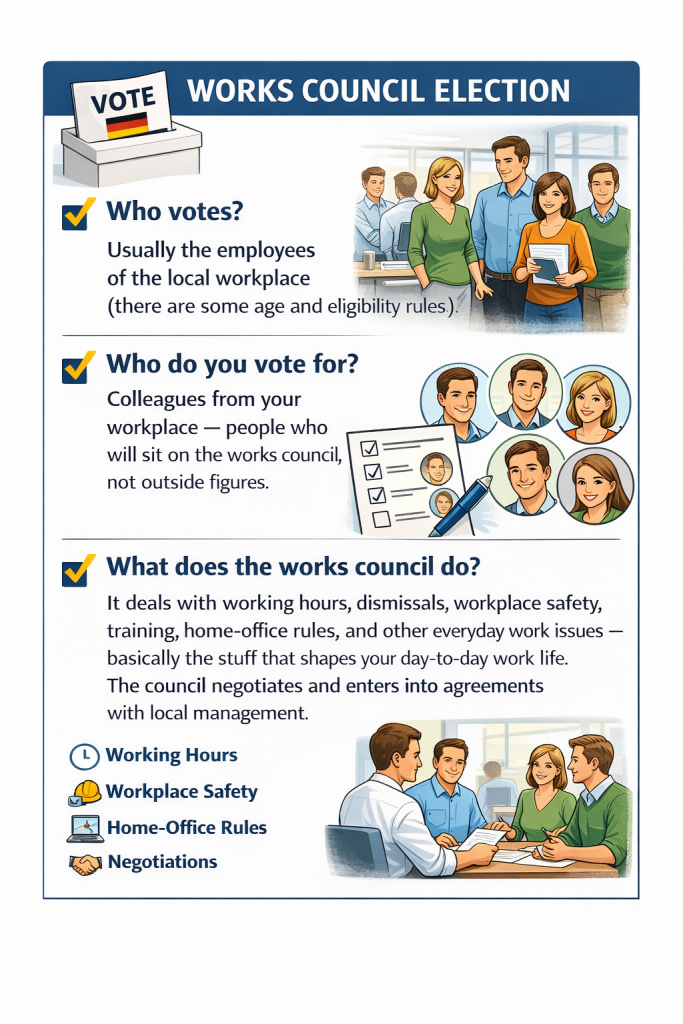
- Who votes?
The employees of the local workplace (there are some age and eligibility rules, such as 18 years minimum and non-high-level-management staff). - Who do you vote for?
Colleagues from your workplace — people who will sit on the works council, not outside figures. - What does the works council do?
It deals with working hours, dismissals, workplace safety, training, home-office rules, and other everyday work issues — basically the stuff that shapes your day-to-day work life. The council negotiates and enters into agreements with local management.
If you’re new to Germany: think of the works council as an employee-elected representative team that handles workplace issues — chosen by you, for you.
Part 2 — Difference between union and works council — and: what are you actually voting for?
Short:
- Works council = local, elected, focuses on in-company issues.
- Union = industry-wide organization that negotiates collective agreements such as tarifs and global contracts.

What do you vote for in the works council election?
- Works council
- Made up of colleagues from your workplace; members are employees on site.
- Works with management on company matters and can negotiate binding company agreements.
- Focus: daily working conditions, individual cases, company-level rules.
- Union
- A membership organization that represents workers across many companies or whole sectors.
- Negotiates sector-wide collective agreements (wages, general working conditions).
- Unions often support candidate lists or individuals in works council elections, but they are a separate actor from the works council.
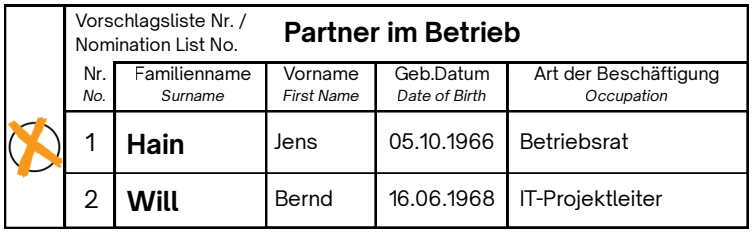
- You vote for a list of candidates from your company — people who are close to your situation, know the shifts, and can act on everyday problems. In our case, there will be several lists from which you can pick the most appealing one.
- Bottom line: a works council election is about personality, proximity and willingness to help — not abstract ideology. Who will listen and get things done for your team matters most.
In the Works Council Election you do not need to be a Union member. You must be 18 years or older and employeed at the location where you want to vote – executive employees (high level mangers) are not allowed to vote for the works council.
So, mostly all employee at our local workplace can vote and have the chance to choose between different works council lists. At the end, most lists are somewhat similar, so you mostly choose people and groups that you know and like.
The question is, what people do you already know, and who do you think could be helpful for you in case of issues or problems ?
Part 3 — What does our (non-union) group want?
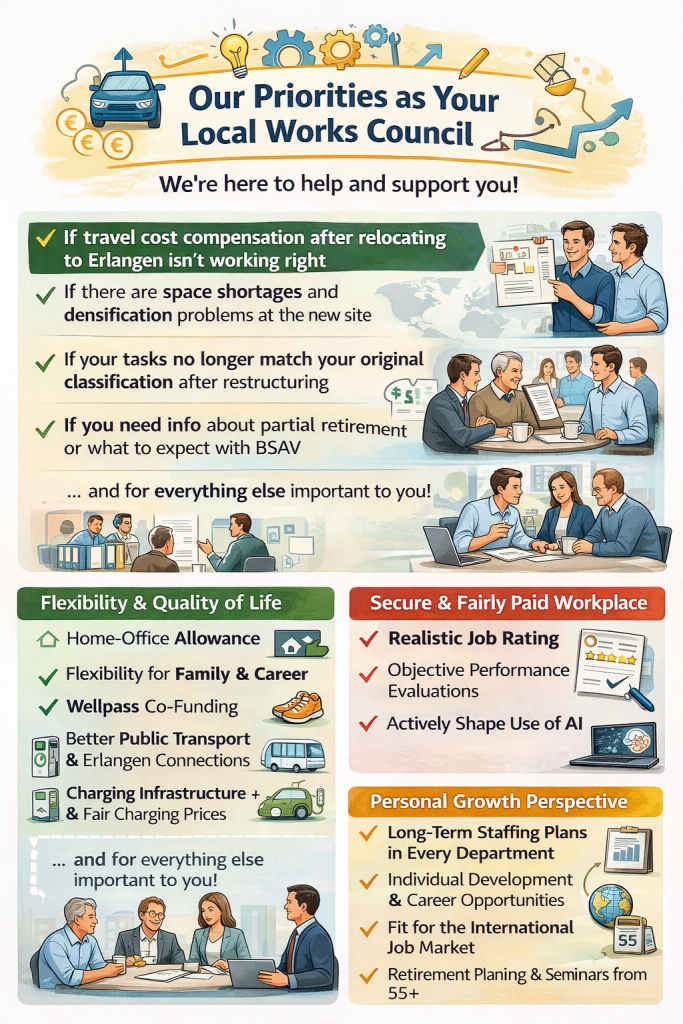
Our non-union group presents itself as a practical, local employee representation team with clear priorities. Based on our “BestPlaceToWork” approach, the core goals are:
- Humanity & respect: Workplaces should not only function — they should encourage and support people’s lives.
- Future readiness & training: Concrete offers for qualification and development so employees aren’t left behind by technological and organizational change.
- Flexibility: Work models that adapt to life and shift schedules (e.g., realistic home-office rules, shift swapping, flexible hours).
- Trust & dialogue: Cooperation at eye level, listening instead of postponing, and tangible improvements across pay groups — action, not endless talk.
If you’re deciding to support our list, we emphasize and promise
- our local personal support
- practical improvements and help you can feel in your everyday work — deliberately separating us from other large, cross-location organizations.
Part 4 – Who we are & our Focus and Priorities
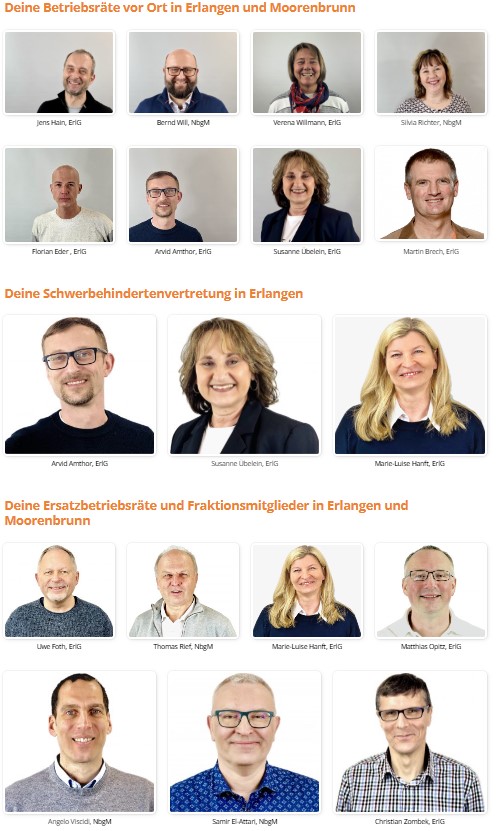
Here you can a see the first 30 people from our list. Maybe you already some of us.

Works Council is something we do in addition to our normal jobs. We do it voluntarily, without extra pay, because we want to support our colleagues.
When problems arise, we stand up for you and help find solutions. As members of the works council, we have special protection against dismissal, which allows us to speak up and support you without fear.
One-sentence summary
In a works council election you choose people you know and like from your own workplace to defend and improve daily working conditions; unions play a different, industry-wide role — and our non-union group focuses on human, practical, on-the-ground improvements (being next to you in your department, experienced members with long-time consulting experience, respect and kindness first).
How to vote for us?
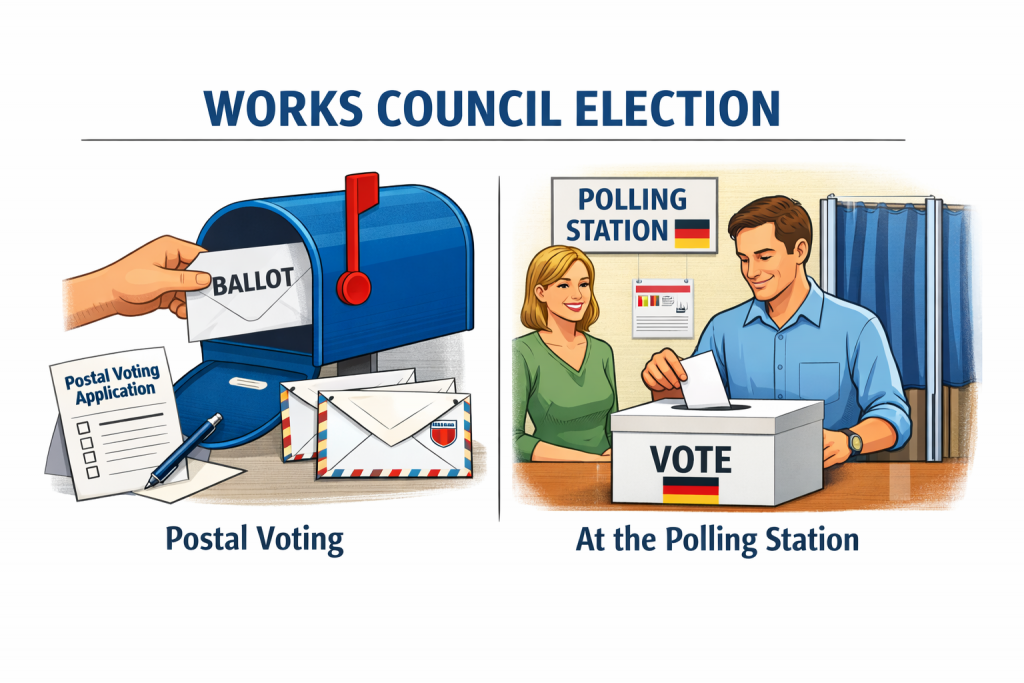
- Postal Voting starting from 20.March 2026
- At the Polling Station 21.-23.April 2026
Request the forms here ( link will follow ) and give us your vote: